Introduction
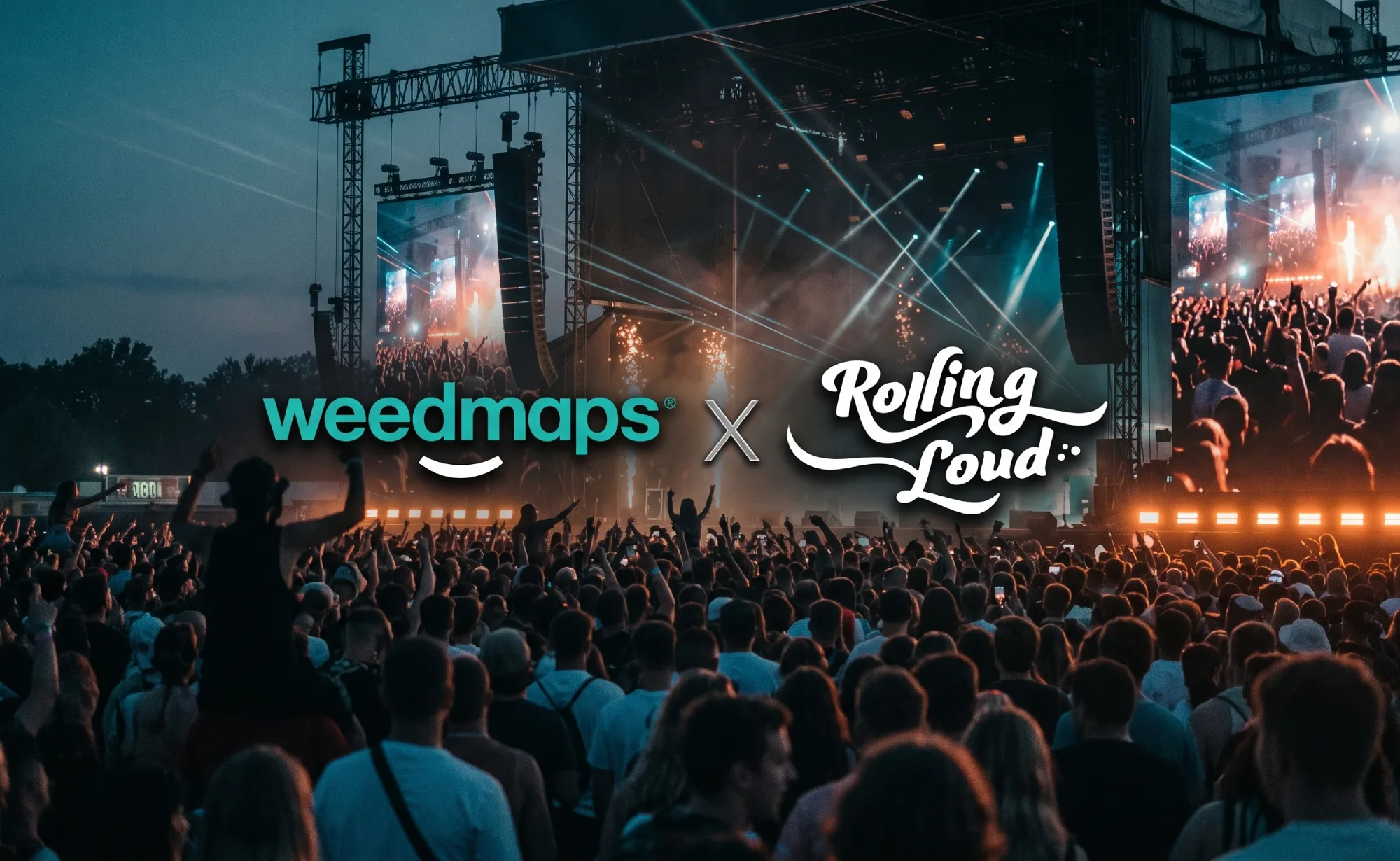
Cannabis event marketing compliance is becoming a strategic priority as brands pursue consumer connections through music, culture, and live experiences. The partnership between Weedmaps and Rolling Loud illustrates this shift, bringing cannabis expertise and hip-hop audiences together through a calendar of artist-driven activations.
For cannabis brand founders, chief marketing officers, and compliance teams, the opportunity extends beyond placing a logo beside a stage. Experiential cannabis marketing can build recognition and relationships, but each activation requires careful review of advertising restrictions, audience access, promotional materials, and event permissions.
A sponsorship agreement does not itself authorize cannabis sales or consumption. Brands must establish what their proposed activities require under applicable state and local rules before committing resources. CannDelta provides specialized marketing regulatory reviews to help operators assess those obligations and build compliance into campaign planning.
Key Takeaways
- The Weedmaps and Rolling Loud partnership highlights the growing role of cultural experiences in cannabis brand marketing.
- Brand sponsorship, product sales, and on-site consumption involve different compliance considerations.
- Cannabis marketing rules vary by state. Check local age-gating and promotional restrictions before reusing an activation in another market.
- A CannDelta marketing audit can help identify compliance gaps before sponsorship commitments become operational problems.
The Evolution of Mainstream Cannabis Festival Sponsorships
Restrictions on paid cannabis advertising make conventional customer acquisition difficult. Major platforms limit or prohibit recreational cannabis promotions, pushing brands to explore experiential cannabis marketing through concerts, festivals, and community events, where permitted. These settings offer direct conversations and cultural relevance, although cannabis festival sponsorship rules still apply.
Weedmaps and Rolling Loud announced their first event in New York as part of a year-round series of events. The California rules below are a separate example of how cannabis event requirements work. Brands should verify what’s permitted at each proposed event and budget for compliance review, staffing, security, and any required permits.
Key Differences: Direct Sales vs Experiential Sponsorships
Rules for educational displays and branded merchandise vary by jurisdiction. Check what a lounge can display or distribute, and verify separately whether it can sell cannabis or allow on-site consumption.
In California, sponsorship or educational participation alone does not necessarily require a cannabis event license. If the event includes cannabis sales or on-site consumption, the organizer must obtain the required Department of Cannabis Control licenses and local approval. Participating sellers must also hold appropriate retail authorization. California prohibits both the sale and consumption of alcohol and tobacco on the licensed premises of a temporary cannabis event.
Festival sponsorship compliance therefore begins by defining exactly what happens inside the activation, who can enter, and whether cannabis changes hands.
The following comparison uses California as an example; requirements vary by jurisdiction.
Activation Type | Regulatory Framework and Age Requirements | Permissible Branding and Promotions | High-Risk Compliance Pitfalls |
Experiential Brand Lounge | Advertising rules apply; verify audience eligibility and access requirements. | Educational displays, compliant logos, and permitted non-cannabis merchandise. | Underage exposure, unauthorized consumption, or prohibited giveaways. |
On-Site Consumption Zone | Requires applicable event licensing, local approval, security, and 21+ access. | Authorized consumption; retail transactions only through appropriately licensed sellers. | Unlicensed sales, free recreational cannabis samples, or inadequate security. |
Co-Branded Festival Merch | Cannabis advertising restrictions apply alongside merchandise requirements. | Compliant joint logos and adult-oriented apparel. | Youth-appealing designs or giveaways of cannabis accessories. |
California permits branded merchandise giveaways at licensed temporary cannabis events when the merchandise is not a cannabis accessory. Free recreational cannabis samples are prohibited.
Five Essential Steps for Planning a Compliant Festival Activation
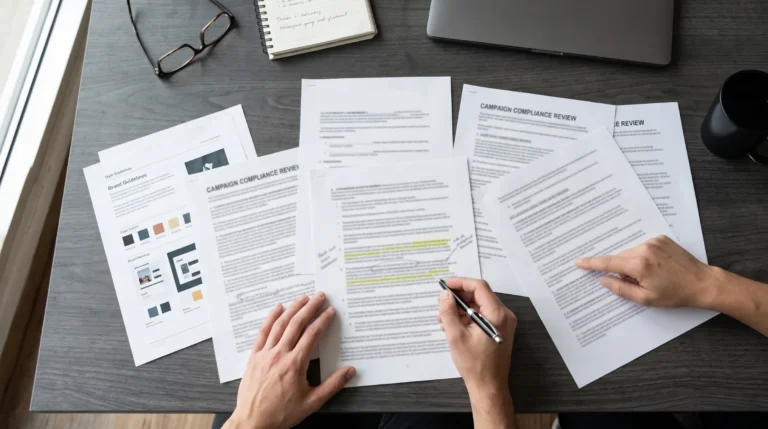
- Conduct a comprehensive event marketing audit. Review signage, giveaways, digital displays, and booth layouts. Before placing festival-related cannabis ads in California on TV, radio, in print, or online, use reliable, current audience data to verify that at least 71.6% of the expected audience is 21 or older.
- Secure required state and municipal event permits. Verify approvals before finalizing sponsorship commitments.
- Establish strict perimeter age-gating protocols. Plan barriers, identification checks, and staff responsibilities.
- Review co-branding and intellectual property contracts. Assign approval responsibilities and screen creative materials for youth appeal.
- Standardize on-site brand ambassador SOPs. Document permitted claims, product handling, incident reporting, and emergency procedures.
Implementing Effective Age-Gating and Access Controls
For California consumption areas, restrict entry to adults 21 and older and prevent consumption from being visible from public or unrestricted spaces. Plan opaque screening where needed, controlled entrances, identification checks, and security coverage. Document these controls in the event layout and staff procedures.
Navigating Minor Attractiveness Prohibitions in Event Marketing
California prohibits cannabis advertising and marketing that appeal to children, including cartoons. Review festival apparel, booth graphics, and digital assets before production. Flag candy-inspired branding and imagery associated with children for compliance review, and retain written approvals so co-branding partners cannot introduce unchecked designs. Outdoor festival advertising may also trigger California’s sign-placement restrictions. Review proposed banners, outdoor displays, and promotional signage against applicable state advertising restrictions and local sign ordinances before installation.
Managing State and Local Event Permit Approvals
Confirm local authorization and submit California temporary cannabis event applications at least 60 calendar days before the event. Event approval does not replace product packaging obligations.
Cannabis goods sold at licensed temporary events, such as pouches, jars, and vapes, must comply with California’s applicable packaging and labeling requirements, which vary based on the product type and packaging configuration.Multiple-serving packages must be resealable; resealability alone does not establish child resistance. Keep supplier testing certificates matched to the packaging used, and review documentation whenever materials or closures change.
Final Strategic Outlook on Cannabis Event Marketing
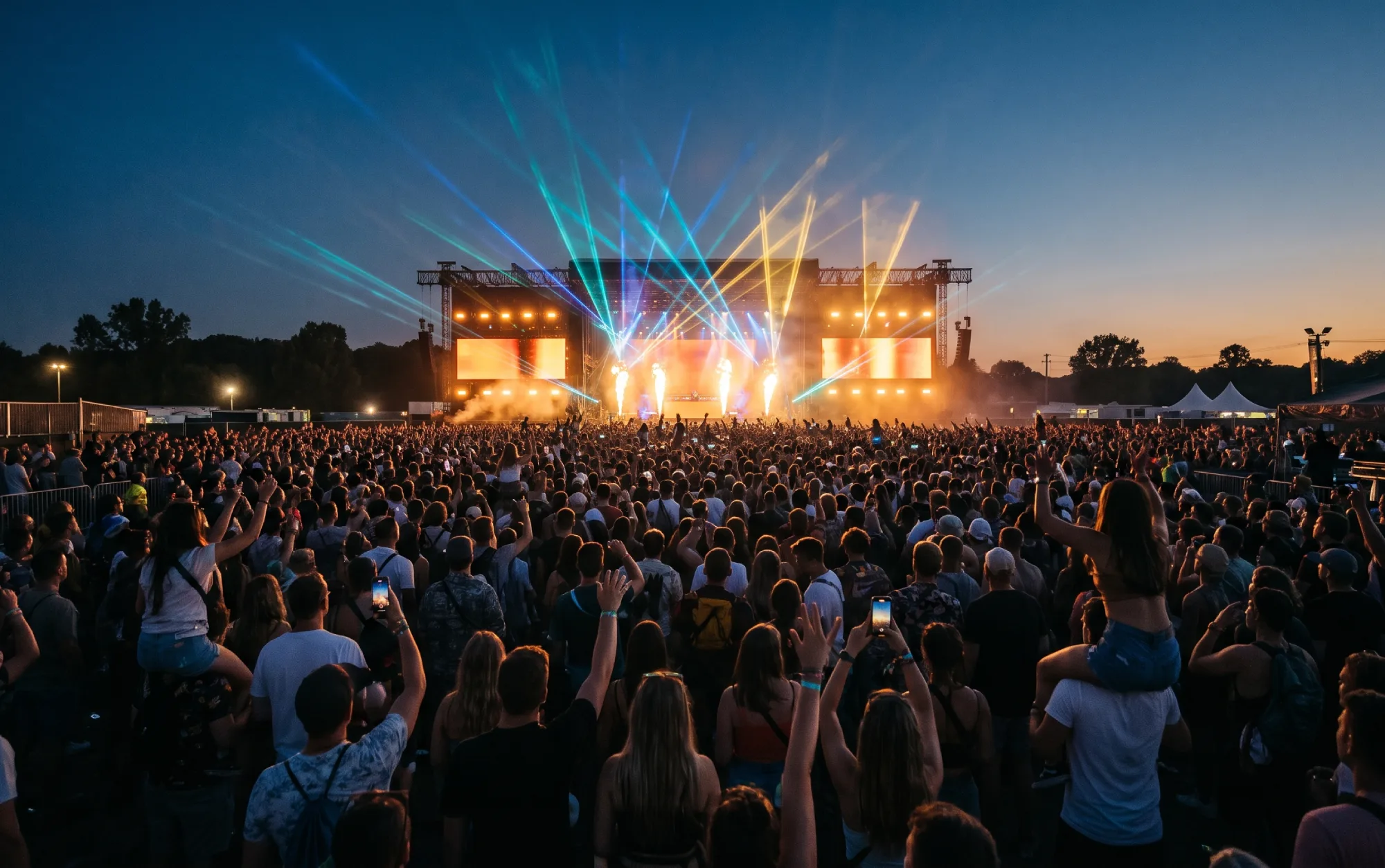
The Weedmaps and Rolling Loud partnership signals a broader opportunity for cannabis brands to connect with audiences through shared cultural experiences. Sustainable growth, however, depends on treating cannabis promotional compliance as part of campaign design.
CannDelta supports this process through marketing compliance audits, event permit reviews, and advertising standard operating procedures. Before committing to a festival sponsorship, brands should establish who approves creative materials, verifies permissions, and oversees on-site conduct.
Frequently Asked Questions
Can cannabis brands sell products directly to consumers at music festivals?
Yes, where permitted under applicable state and local laws. In California, cannabis sales at festivals require appropriate temporary cannabis event licensing and must be conducted by authorized cannabis retailers or microbusinesses. Sponsorship alone does not authorize sales.
What are the primary age verification requirements for festival brand lounges?
Requirements depend on location and activities.In California, licensed cannabis consumption areas must restrict entry to adults 21 and older, while informational brand lounges without cannabis sales or consumption generally do not require the same access restrictions; plan identification checks at controlled entrances.
How do state regulators enforce marketing rules at live events?
Enforcement mechanisms vary by state and can include inspections, investigations, and disciplinary proceedings.
How does CannDelta assist brands with festival sponsorship compliance?
CannDelta reviews marketing materials, event permissions, and operational procedures to help brands identify compliance gaps before launch.