Everything You Need to Know About Virginia's Cannabis Processor License
Table of Contents
Overview
Virginia is anticipated to begin accepting adult-use cannabis license applications in early 2027, subject to the enacted legislation and final Virginia Cannabis Control Authority (CCA) regulations.
If you’re planning to apply for a Virginia cannabis license, you need to understand:
- Which license type fits your business model
- Whether you qualify as an Impact Licensee (social equity)
- Whether a lottery will apply
- How ownership limits work
- What statutory license caps exist (including the strict Tier V limit through January 1, 2028)
- How to prepare for the official July 1, 2027, retail market launch
Read this full guide for the complete information on Virginia’s adult-use retail cannabis license applications.
If you are ready to take the first step, contact us today and let’s begin preparing your Virginia Cannabis License application.
About The Processor/Manufacturing License
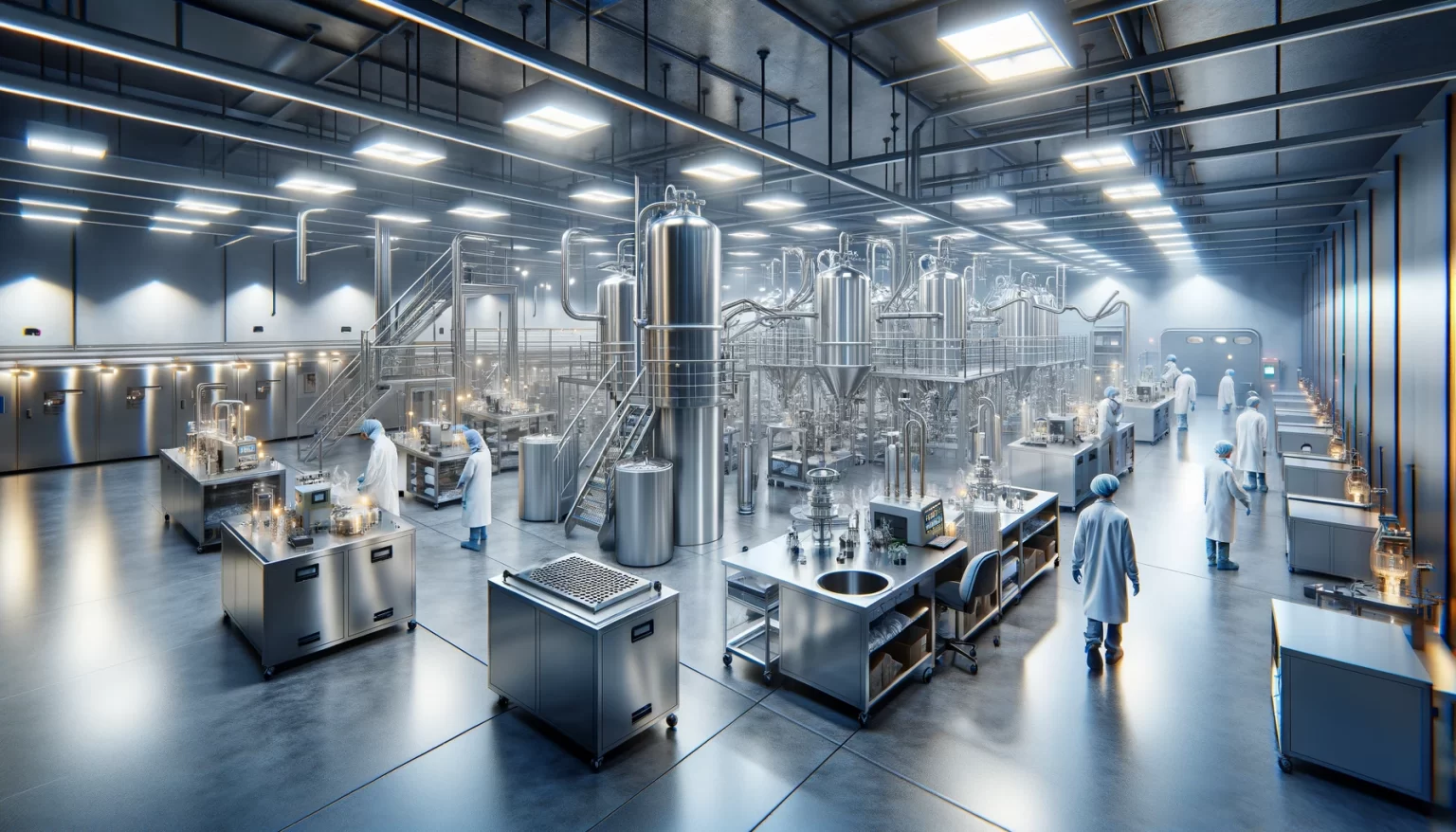
While cultivators grow the plant and retailers manage consumer sales, the Marijuana Processing Facility License allows you to be the engine of the modern cannabis market: extracting, infusing, and manufacturing the vapes, concentrates, and edibles that stock the shelves.
Before you start building out your commercial kitchen or extraction lab, you need to understand the highly regulated nature of this B2B license. To succeed, you must navigate:
- The Wholesale Model: Processors do not sell directly to consumers; they operate strictly business-to-business (B2B), moving products to retailers or other processing facilities, and hold the explicit legal authority to transport their own products to other licensed establishments
- Commercial Food Safety: If you are making edibles, your facility is treated like a commercial food manufacturer and must adhere to strict state food safety laws and inspections overseen by the Department of Agriculture and Consumer Services.
- Product Registration: Every single product you formulate must be individually registered and approved by the state before it hits the market.
- Mandatory Testing: Every batch of product must pass rigorous third-party laboratory testing before it can be transferred.
What does the Processor/Manufacturing license in Virginia allow?
The Marijuana Processing Facility License gives you the legal authority to turn raw cannabis flower into value-added consumer packaged goods. Specifically, it authorizes you to:
- Extraction & Processing: Process, label, and package marijuana and marijuana products.
- Product Sourcing: Purchase or take possession of raw marijuana from licensed cultivation facilities or wholesale products from other processing facilities.
- B2B Sales and Transfers: Sell and transfer possession of your finished marijuana products to licensed retail marijuana stores or to other processing facilities, and transfer possession to licensed marijuana transporters.
- Transportation: Transport marijuana and marijuana products from your licensed premises directly to another licensed marijuana establishment.
Key Restrictions & Potency Caps
- No Statewide Cap: Because processing facilities are not explicitly capped in the legislation, this is an uncapped category, meaning the Board is authorized to issue as many licenses as it deems necessary
- Edibles & Food Safety: If your facility processes edible marijuana products, you must strictly comply with the commercial food safety and sanitation requirements of Chapter 51 of Title 3.2.
- Strict THC Limits: The Board enforces maximum THC levels for manufactured products, which cannot exceed 10 milligrams per serving and 100 milligrams per package for edible marijuana products. Products must be manufactured so the cannabinoid content is homogeneous throughout.
- Product Registration: Before you can sell any product, you must register it with the Board by submitting the product’s name, laboratory test results showing total THC and CBD, proposed packaging, and proposed labeling for approval.
- Mandatory Testing: You cannot sell or distribute any product until a representative sample of the batch has been tested by an independent marijuana testing facility for heavy metals, microbiological contaminants, mycotoxins, pesticide residue, active ingredients, and residual solvents.
- Labeling and Packaging: Products must be in child-resistant, tamper-evident, resealable, and opaque packaging.Labels must be in English (in a font no less than 1/16 of an inch) and clearly state ingredients, THC/CBD content, potential allergens, serving sizes, and feature a universal symbol and a QR code linking to the certificate of analysis. Products cannot be packaged to appeal to anyone younger than 21 or shaped like a human, animal, vehicle, or fruit.
- Labor Peace Agreement: Like all marijuana establishment licensees, you must enter into, maintain, and abide by a Labor Peace Agreement with a bona fide labor organization.
- Ownership Limits: A person cannot hold an interest in more than five total licenses across the Virginia market (excluding marijuana transporter licenses).
How CannDelta Helps You Secure a Processor/Manufacturing License in Virginia
Operating an extraction and manufacturing facility requires significant technical and regulatory oversight. CannDelta helps you design a compliant facility from day one:
- Facility & Extraction SOPs: We draft the highly technical standard operating procedures (SOPs) required for safe extraction, commercial kitchen sanitation, and secure storage to ensure you pass state inspections.
- Food Safety Compliance: We help you navigate the Department of Agriculture and Consumer Services (VDACS) requirements to ensure your edible manufacturing processes meet Chapter 51 food safety standards.
- Product Registration & Formulation: We review your product formulations, serving sizes, and package designs to ensure they strictly meet the 10mg/100mg THC caps and the state’s complex labeling laws before submitting them to the Board for registration.
- Application Management: We manage the entire Virginia Cannabis Control Authority (CCA) submission process from start to end, ensuring your application avoids the strict 10-day deficiency rejection rule and successfully navigates the 18-month preliminary approval buildout phase