
Applying for a Retail License in Rhode Island: A Step-by-Step Guide
Steps to Opening a Recreational Dispensary in Rhode Island
Rhode Island’s cannabis market opened for adult use in December 2022. Now the state is preparing to issue 24 new retail licenses through a competitive application process running from September to December 29, 2025.
Understanding Retail Cannabis Licensing in Rhode Island
The Cannabis Control Commission (CCC) runs cannabis licensing in Rhode Island. They took over from the Office of Cannabis Regulation in 2024 and now handle everything from medical marijuana to adult-use retail.
What a Retail Cannabis License Allows You to Do
A Cannabis Retailer license allows you to do exactly what you would think. It lets you open a dispensary where you can sell cannabis and cannabis products to adults 21 and older. You’ll of course also be able to purchase wholesale cannabis from state-licensed cultivators and manufacturers to be sold at your dispensary.
Who Regulates Cannabis Businesses in the State
The Cannabis Control Commission (CCC) is Rhode Island’s primary regulating body for the cannabis licensing and application process, cannabis businesses, and cannabis products. The local government or municipality that you’re applying to open a dispensary in will also play a minor part in how you can or cannot operate your dispensary.
Towns and cities can set their own zoning rules, and some have already voted to prohibit cannabis businesses entirely. Therefore, you need approval from the local government to apply for a cannabis retailer license.
The Difference Between Medical and Adult-Use Retail
Medical dispensaries are called Compassion Centers in Rhode Island and they serve registered patients.
Adult-use retailers serve the general public with a one-ounce purchase limit per transaction. Some existing Compassion Centers converted to Hybrid Retailers serving both markets, though they need to keep medical and recreational inventory separate.
How Many Cannabis Retail Licenses Are Available in Rhode Island?
Rhode Island limits retail licenses to prevent market oversaturation. The controlled rollout aims to balance business opportunity with public health considerations.
Current License Limits and Allocation Rules
The 24 new licenses break down into three categories:
- 6 licenses reserved for social equity applicants
- 6 licenses designated for workers' cooperatives
- 12 licenses available through general competition
Social equity applicants must demonstrate residence in disproportionately impacted areas or connections to prior cannabis enforcement.
How Rhode Island Divides Licenses by Region or Zone
The state divides into six geographic zones, each receiving four licenses:
- Zone 1: Burrillville, Cumberland, Glocester, North Smithfield, Smithfield, Woonsocket
- Zone 2: Johnston, Lincoln, North Providence, Central Falls, Providence
- Zone 3: Coventry, Foster, Scituate, West Greenwich, West Warwick
- Zone 4: East Greenwich, North Kingstown, Cranston, Warwick
- Zone 5: Zone 5: Charlestown, Exeter, Hopkinton, Narragansett, Richmond, South Kingstown, Westerly
- Zone 6: Barrington, Bristol, Jamestown, Little Compton, Middletown, New Shoreham, Portsmouth, Tiverton, Warren, East Providence, Newport, Pawtucket
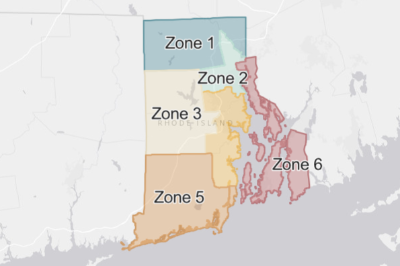
Each zone allocates one license to a workers’ cooperative and one to a social equity applicant. Applicants may only submit one application per zone.
Future Opportunities for New Applicants
The application window runs from September 12 through December 29, 2025. This is your first chance to get a new retail license since legalization. The state hasn’t announced plans for additional licensing rounds yet, though they might open more slots later if market demand justifies it.
Step-by-Step Overview of the Rhode Island Licensing Process
Getting licensed takes careful planning and thorough documentation. Missing steps or cutting corners will delay your application or get it rejected outright.
Step 1: Prepare Your Business and Documents
Set up an LLC or corporation through the Rhode Island Secretary of State first. Get a federal tax ID number and open a business bank account.
You’ll need someone designated as your compliance officer who understands cannabis regulations inside and out. Start drafting your business plan, security protocols, and standard operating procedures sooner rather than later because these documents can be challenging to complete correctly.
Step 2: Secure a Compliant Location
Find a property that sits at least 500 feet from any K-12 school. Measure property line to property line, not door to door. Get a zoning compliance letter from your town confirming the location works under local rules.
Your lease needs explicit language allowing cannabis retail operations since many standard commercial leases prohibit it. You will also need to submit detailed floor plans showing your sales floor, storage areas, security camera placement, and accessible entrances.
Step 2.5: Obtain Local Authorization
Before locking in a location, get in touch with the local government’s planning department. Some municipalities require special use permits or conditional approvals.
You might need to present at public hearings where neighbors can voice concerns. Getting local approval can take longer than most applicants expect, so start this process early.
Step 3: Submit Your Application to the CCC
Log into the CCC’s licensing portal when applications open in September 2025. The application fee costs $7,500 unless you qualify for the social equity waiver.
Upload every required document from the CCC’s checklist. If multiple qualified applicants want the same zone’s remaining slots, the state runs a lottery.
Step 4: Review and State Evaluation
CCC staff score applications on business experience, financial backing, operational readiness, and security plans. They’re looking for people who understand cannabis compliance and have the resources to operate responsibly.
Higher scores advance first. In zones with more qualified applicants than available licenses, lottery selection determines winners among those who passed the merit review.
Step 5: Approval and Licensing
After receiving provisional approval, there is a $30,000 annual licensing fee that needs to be paid. Now is the time to begin building-out your dispensary and submitting any requested documents or document updates, and lastly schedule your pre-opening inspection. Inspectors verify your dispensary matches your approved plans, and that all security equipment works properly.
Set up your Metrc account during this phase and train staff on the system. Everyone working in the store needs to understand age verification, transaction limits, and proper recordkeeping.
Step 6: Begin Retail Operations
Once you pass inspection and receive final approval, you can place orders with licensed suppliers. Stock your shelves, do a soft opening to test your systems, then launch publicly. Your license renews annually, so mark your calendar to submit renewal paperwork 60 days before it expires.

Key Requirements for Getting Licensed
Rhode Island’s CCC sets baseline eligibility standards that every applicant needs to meet. Missing any of these requirements will stop deem your application ineligible.
Basic Eligibility Criteria
Everyone with ownership stakes or management authority must be 21 or older. The state doesn’t require residency, so out-of-state investors can participate. You need clean tax records showing you’ve paid your taxes with the Rhode Island revenue departments. Criminal background checks run on all principals, though past cannabis convictions won’t automatically disqualify you anymore.
Facility and Zoning Guidelines
That 500-foot school buffer is non-negotiable. Your building needs to meet fire codes, ADA accessibility standards, and local building requirements. Plan for robust security including surveillance cameras, alarm systems, and limited access areas. The physical layout should clearly separate public areas from restricted storage zones.
Ownership and Background Checks
Disclose every person or entity with financial interest in your business. This includes investors, lenders with security interests, and management companies with operational control. The CCC prohibits certain ownership arrangements, so review these restrictions carefully before structuring deals.
How Much Does It Cost to Get a Retail License in Rhode Island?
Starting a cannabis retail operation in Rhode Island requires substantial capital investment beyond licensing fees. Just to apply, you’ll need to pay the following:
- Application Fee: $7,500
- Annual License Fee: $30,000
What Happens After You Submit Your Application
Application review follows a structured process with multiple evaluation stages. Understanding what happens at each phase helps you prepare for potential requests and maintain realistic expectations.
Rules to Follow Once You're Licensed
Getting your license is just the beginning. Staying compliant requires constant attention to regulations that change periodically.
Maintaining Compliance with CCC Regulations
Stick to the one-ounce transaction limit strictly. Check IDs carefully using the state-approved verification methods. Only sell products that passed testing at licensed labs and carry proper labels. Train staff regularly on current regulations and document that training.
Recordkeeping and Reporting Duties
Maintain complete and accurate records of all business activity as required by the Rhode Island Cannabis Control Commission. All inventory transfers and sales must be recorded in Metrc, the state’s seed-to-sale tracking system. Keep records organized and available for inspection for the period required under state law.
Submit all required sales and financial reports to the Commission and the Rhode Island Division of Taxation by their stated deadlines. Failure to file reports, maintain records, or keep Metrc data current may result in fines, disciplinary action, or denial of license renewal.
Staying Updated on Changing State Rules
Subscribe to CCC email alerts and check their website regularly for regulatory updates. Join industry associations that track policy changes. Budget for ongoing compliance training. Work with cannabis marketing experts who understand Rhode Island’s strict advertising rules.
Rules to Follow Once You're Licensed
Consultants who specialize in cannabis licensing know what regulators want to see. They’ve helped other applicants succeed and learned from failed applications too.
Professional consultants help improve the strength of your application and work as your partner throughout the entire process until you’re open and selling products.
Start Your Rhode Island Cannabis Licensing Journey with CannDelta
CannDelta works with cannabis businesses across competitive state markets. We know Rhode Island’s application process and help clients develop bullet-proof application submissions. Visit our Rhode Island cannabis licensing page to learn about our services.
Key Takeaways
Rhode Island issues 24 retail licenses starting September 12, 2025, with 50% reserved for social equity and worker cooperatives. Applications cost $7,500 (waived for social equity) plus $30,000 annually. Work with CannDelta cannabis consultants for all of your cannabis business, licensing, and marketing needs.
Why Work With CannDelta?
CannDelta is here to guide you through every step, from eligibility and zoning to a complete, compliant application package. If you want the highest chance of success in one of New England’s most competitive markets, our team is ready to help you get there.
Book a free consultation with CannDelta today and start your Rhode Island cannabis licensing journey with confidence.
Frequently Asked Questions
How long does it take to get a retail cannabis license in Rhode Island?
Getting a retail cannabis license in Rhode Island usually takes 6 to 12 months. The Cannabis Control Commission reviews and scores applications, holds a lottery in competitive zones, and conducts final inspections before stores can open. Timelines vary by project.
Do I need a physical location before applying?
You must have a physical location secured when you apply. The site must meet all state and local zoning and buffer requirements, and you’ll need to provide proof of ownership or a signed lease with your application.
Are there social equity benefits or fee waivers?
Social equity applicants get the $7,500 application fee waived and have six licenses reserved specifically for them. Qualification requires 51% ownership by people from disproportionately impacted areas or with prior cannabis convictions.
What happens if my application is denied?
The CCC explains why they denied your application in writing. Application fees aren’t refundable. You can apply again in future rounds after addressing the problems they identified.