Breaking News!
Virginia’s adult-use cannabis market has hit another setback after Gov. Abigail Spanberger vetoed legislation that would have launched legal recreational cannabis sales in the state.
Virginia Cannabis Legalization
Virginia’s cannabis industry remains on the brink of a major breakthrough. While the road to a regulated retail market has not been straightforward, the broader direction is becoming increasingly clear: legalization is no longer a question of if, but when.
For CBD industry business owners, grass roots groups and lobbyists, and prospective license applicants across the Commonwealth, the latest developments signal continued momentum rather than retreat. Although the bill has re-entered the lawmaking process after previous setbacks, both public support and legislative backing remain strong. What Virginia is seeing now is not the collapse, but the negotiation of final terms of this industry commercialization effort from House Bill (HB) 642 and Senate Bill (SB) 542.
Background
Virginia’s cannabis framework has long existed in an uneasy purgatory since 2021 with a legalization effort that was left unfinished. Since, adults can legally possess cannabis, but the absence of a full industry system for production and retail has left the state without a functioning adult-use marketplace.
Under Governor Glenn Youngkin retail cannabis legislation was entirely unadvanced and ignored. Despite support from lawmakers, Governor Youngkin used his veto power to block retail market legislation, arguing that broader sales would create public health and safety concerns despite it’s current state.1 This left Virginia at an impasse where possession was legal but legal access remained limited to a highly restricted medical program.
Following the election of Governor Abigail Spanberger, the conversation shifted.
Virginia has moved away from opposition to its initial planning and constructive phases supporting an adult-use retail market. The debate has shifted from whether a market should exist at all, to what Commonwealth cannabis taxes will do for infrastructure.
Bills from the House (HB 642) and Senate (SB 542) were created in parallel with the same goals for a cannabis framework in mind. These bills proposed the same changes to the current system and have since been amalgamated and presented to the Governor to emphasize the General Assembly’s support. This change is important. It’s an exciting shift that suggests that legalization is advancing through the realities of policymaking, where the outcome is shaped through negotiation rather than abandoned altogether.
The House and Senate both demonstrated their support of a cannabis framework by creating their respective bills HB 642 and SB 542 in parallel. These bills have since been combined to into a single cohesive legislative framework before being presented to the
Governor to emphasize the General Assembly’s support.
1https://lis.virginia.gov/bill-details/20251/HB2485/text/HB2485VG
Proposed Virginia Market
Once finalized, Virginia’s retail market will be overseen by the Virginia Cannabis Control Authority (CCA), which would manage a seed-to-sale tracking system, regulate licensing, and overall compliance across the industry.
Key components of the newly proposed market framework include:
Dual-Use Privileges for Existing Medical Pharmaceutical Processors:
Existing medical pharmaceutical processors would have a pathway to participate in adult-use and medical products with a hefty $10 million dollar “conversion” fee.2
Adjusted Tax Structure:
The bill proposes a moderate tax level than previous discussions, combining state cannabis tax with a local option for additional taxation.
Community Reinvestment:
Tax revenue would be reinvested into the statewide priorities including pre-kindergarten and early childhood education, equity-focused reinvestment, behavioural health initiatives, and public awareness efforts.
Social Equity:
The framework emphasizes participation of small and minority-owned businesses by, including support for applicants from communities disproportionately harmed by past marijuana enforcement.
Together, these provisions definitively show that Virginia is not simply debating legalization, it is actively building the structure of a future marketplace that allows for an entry point for almost anyone.
2https://lis.virginia.gov/bill-details/20261/HB642/text/HB642ER
What’s Happening Now?
After previous bills that were vetoed the General Assembly passed new legislation aimed at launching retail cannabis sales in January 2027.
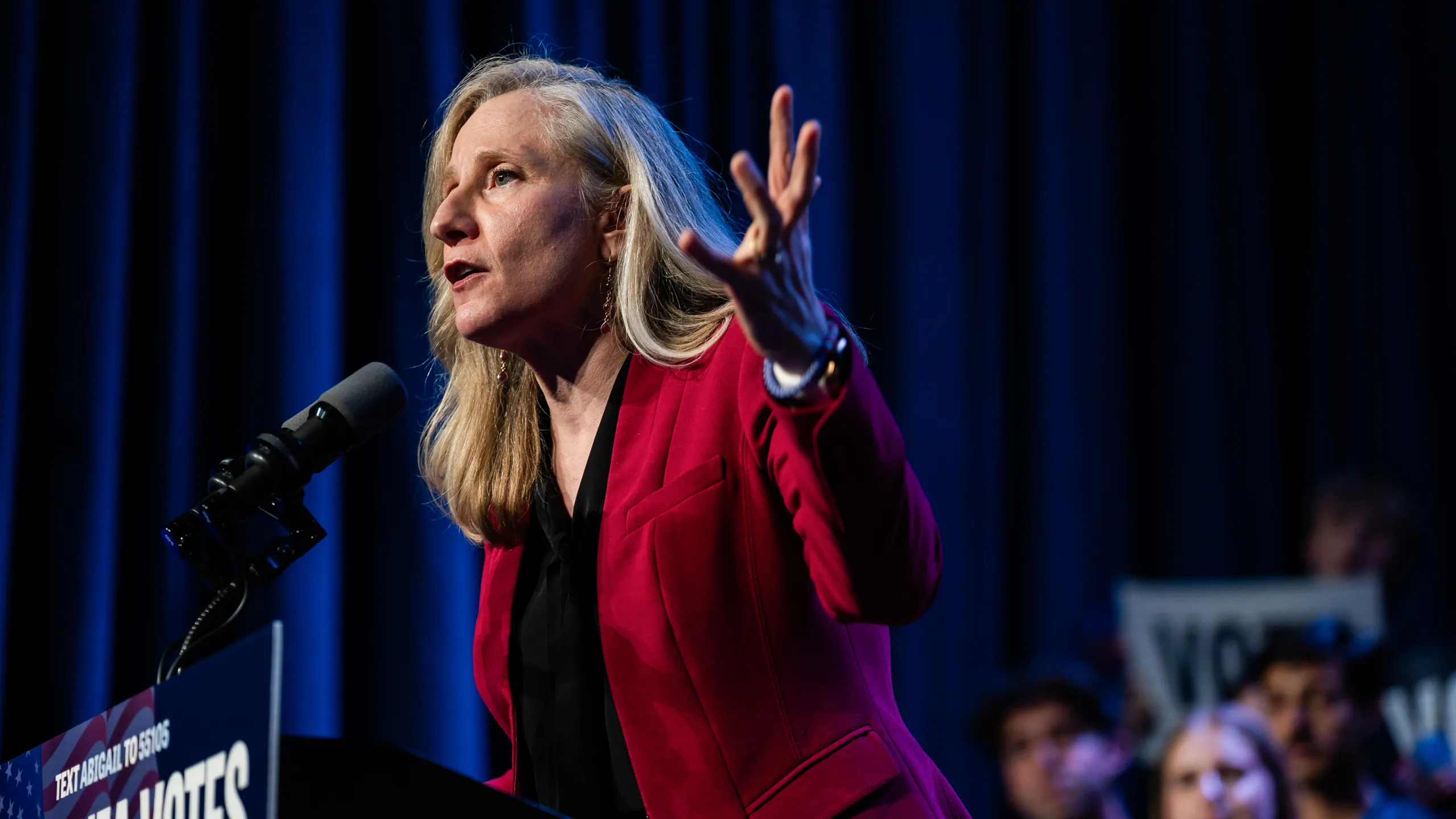
When HB 642 and SB 542 reached Governor Spanberger, she returned it with proposed amendments rather than signing it. Those amendments included delaying the launch date to July 1, 2027, and increasing the penalty for illicit activity outside of the proposed framework, with criminals facing State felonies for crossing State-lines.3 Democratic lawmakers and cannabis advocates strongly pushed back against these. In response, the General Assembly rejected her amendments and instead sent the original legislation bill back to the Governor’s desk.
This back-and-forth may appear to cause some temporary delays, but it signals that legalization in Virginia has already moved beyond the stage of broad political resistance and into the stage of fine-tuning the final conditions. This is an important distinction. The public and lawmakers have shown they want legalization. The current debate is how this marketplace is being structured.
What Comes Next?
Governor Spanberger must now decide how to proceed with HB 642 and SB 542 in its current form.
If she signs it, Virginia will move one step closer to establishing its long-awaited adult-use retail market. If she vetoes it, lawmakers could still pursue further action, including another legislative push. The level of public support, industry anticipation, and legislative engagement surrounding the bill suggests that momentum remains firmly in place. Whether the Governor decides to veto, agree, or abstain from acting on the amendments, a finalized bill will be passed 30 days following the bill’s presentation, which is May 22, 2026.4
4https://law.lis.virginia.gov/constitution/article5/section6/
The Bigger Picture
Virginia has passed the point where cannabis legalization can be treated as a fringe or temporary issue. The policy direction is established, and the remaining challenge is finding a version of the law that aligns the priorities of lawmakers, regulators, industry participants, and the Governor’s office.
That process can create delays, revisions, and renewed debate, but it also creates an opportunity for compromise.
Virginia’s cannabis market still has hurdles ahead, but the broader outlook remains encouraging. With public support behind legalization and lawmakers committed to moving the issue forward, the expectation is that the Commonwealth will achieve the beginning of a public application collection process this year for its regulated retail
cannabis market.