Introduction
For dispensary owners, a working payment terminal does not necessarily mean a compliant payment arrangement. The cashless ATM crackdown has exposed the risks of systems that disguise cannabis purchases as cash withdrawals, putting payment continuity and banking relationships under pressure.
Visa and Mastercard prohibit cannabis transactions on their networks, and Visa’s December 2021 compliance memorandum prohibits disguising retail purchases as ATM cash disbursements. Consider changing to: Even with the DEA’s ongoing Schedule III rescheduling proceedings, recreational cannabis remains a Schedule I substance, and the GAO’s 2026 report confirms that major card networks will continue to prohibit cannabis purchases. Federal regulatory compliance audits should distinguish changes in federal law from payment-network requirements. Switching providers or adding a PIN does not automatically resolve those restrictions.
For retail operations directors and financial controllers, the priority is understanding how each transaction reaches the bank and whether everyone involved has approved the actual business activity.
Key Takeaways
- Verify transaction coding, payment networks, and banking approvals before relying on a provider’s compliance claims.
- Maintain accurate sales, settlement, refund, and inventory records.
- Prepare backup payment procedures to limit disruption if processing stops.
What the Cashless ATM Crackdown Means for Dispensaries
Cannabis payment processing compliance starts with transparency. Operators should establish who processes their transactions, which bank supports the arrangement, and whether settlement records accurately describe retail activity.
Reviewing merchant agreements and register procedures together helps identify inconsistencies before they disrupt checkout, complicate reconciliation, or trigger questions from banking partners.
Why Card Networks Are Shutting Down Miscoded Dispensary Terminals
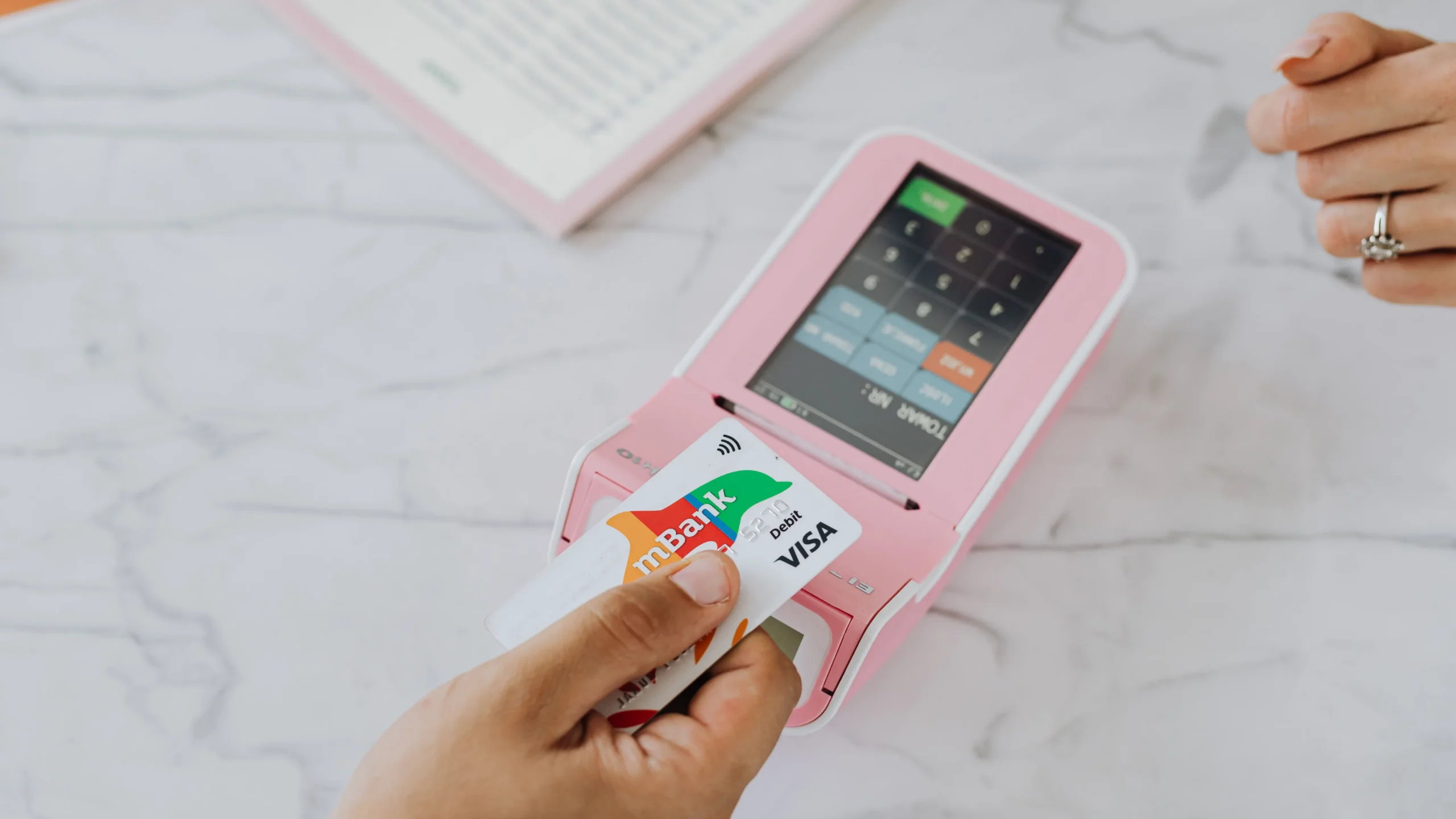
A cashless ATM resembles a card terminal but records a purchase as an ATM withdrawal. Transactions may use Merchant Category Code (MCC) 6011, designated for automated cash disbursements. Purchase amounts are often rounded up, with the difference returned as change.
Visa’s rules prohibit disguising purchases this way. A successful authorization does not establish that the transaction complies with network requirements.
For dispensaries, losing processing access can interrupt sales and complicate access to unsettled funds. Operators should investigate inaccurate transaction descriptions, unexplained rounding, or a provider’s refusal to identify its banking partners.
Comparing Cannabis Payment Methods Across Key Risk Factors
| Payment option | Transaction mechanism | Compliance considerations | Primary operational risk |
|---|---|---|---|
| Miscoded cashless ATM | Records purchases as ATM withdrawals | Violates applicable network rules | Processing termination and settlement disruption |
| PIN debit | Routes transactions through debit networks | A PIN does not override network prohibitions; verify explicit approval | Shutdown if the arrangement violates network rules |
| ACH | Transfers funds between bank accounts | Requires bank acceptance, appropriate authorization, and applicable compliance controls | Returned payments and settlement delays |
| Cash | Customers pay with physical currency | Requires cash controls and applicable reporting | Theft, counting errors, and transport costs |
Four Operational Steps to Transition Away From Non-Compliant Terminals
- Audit merchant accounts and payment workflows. Identify each processor, acquiring bank, merchant identification number, and transaction code. Obtain written confirmation that the arrangement supports your disclosed cannabis business.
- Review POS integration and inventory reporting. Match payments to sales receipts, inventory movements, and settlement deposits. Confirm that payment changes preserve accurate state reporting and tax reconciliation.
- Establish written register procedures. Document opening balances, closing counts, electronic settlements, fees, tips, refunds, and discrepancy escalation. Train employees before introducing replacement terminals.
- Schedule an independent retail compliance audit. Review payment workflows alongside inventory records and banking documentation. Maintain a backup checkout procedure for processing interruptions.

Auditing Merchant Processing Contracts and Settlement Logs
Implementing Standard Operating Procedures for POS Reconciliation
Navigating Banking Due Diligence and FinCEN Compliance Requirements
Frequently Asked Questions
What is a cashless ATM and why are card networks targeting it?
What happens to a dispensary if its payment processor is shut down?
How do state regulators enforce marketing rules at live events?
Enforcement mechanisms vary by state and can include inspections, investigations, and disciplinary proceedings.