

Introduction
For California cannabis brands, packaging is more than a design decision. It is a compliance checkpoint that can determine whether inventory moves smoothly through distribution or requires costly corrections before reaching retail shelves.
The latest cannabis packaging news underscores that pressure. California is strengthening restrictions on packaging attractive to children, while existing Department of Cannabis Control (DCC) requirements continue to govern everything from universal symbols to child-resistant closures. Governor Gavin Newsom signed AB 2249 in August 2026, adding another development for brand founders, manufacturing directors, and compliance officers to assess.
Meeting these obligations requires more than checking a supplier’s assurances. Brands must review the finished package, confirm that required information appears where it belongs, and verify that closures meet the rules applicable to each product category. A small artwork error repeated across thousands of units can become a significant operational expense.
CannDelta’s packaging and labeling audits help businesses identify compliance gaps before approving print runs or releasing shipments. A documented review process also gives manufacturers, packaging vendors, and distribution partners a shared standard for evaluating inventory.
For brands preparing their next shipment, the practical question is straightforward: has every packaging component been checked against the requirements that apply to that specific product?
Key Takeaways
- Review packaging artwork before approving bulk print runs.
- Verify child-resistant closures against product-specific requirements.
- Check universal symbols, required label information, and batch identifiers before shipping.
- Address compliance gaps early to reduce shipment delays and correction costs.
What California’s Labeling Enforcement Means for Retail-Ready Shipments
California’s packaging requirements reach beyond whether a label looks professional. Distributors must verify that packaging and labeling comply before transferring goods to retailers. A missing field, an undersized universal symbol, or an unsuitable closure can prevent inventory from moving forward.
Enforcement scrutiny also extends to artwork attractive to children. California’s 2025 State Auditor report highlighted disagreements over which designs crossed that line, while DCC described increased enforcement through its dedicated advertising, product, packaging, and labeling team.
For brands, the financial exposure can compound quickly. Inventory awaiting correction ties up working capital. Re-labeling adds labor and material costs, while delayed retail availability can postpone sales and payments tied to delivery or sell-through. A distributor intake hold and a regulatory quarantine are different situations, and neither should be treated as an automatic recall.
Before authorizing mass printing, brand managers should audit artwork dielines against the applicable requirements. Review actual-size proofs and assembled samples to catch obscured text, misplaced symbols, and information hidden beneath folds or seals.
Side-by-Side Review of California Packaging and Labeling Compliance
| Packaging feature | Compliant standard | Common error | Operational risk |
|---|---|---|---|
| Universal symbol | Approved symbol on the primary panel, at least 0.5 inch high, with contrasting background | Cropped symbol, insufficient size, or incorrect placement | Label correction and shipment delays |
| Child-resistant packaging | Qualifying closure appropriate to the product category | Initial-use closure where lifetime child resistance is required | Packaging replacement before retail release |
| Youth appeal | No prohibited child-attractive artwork or imitation children’s packaging | Candy imitation or prohibited cartoons | Enforcement and redesign costs |
| Tracking and manufacturer information | Required UID and applicable batch information, plus the licensed manufacturer’s name, contact number, and website address, all clearly legible. | Missing identifiers or obscured printing | Traceability gaps and intake delays |
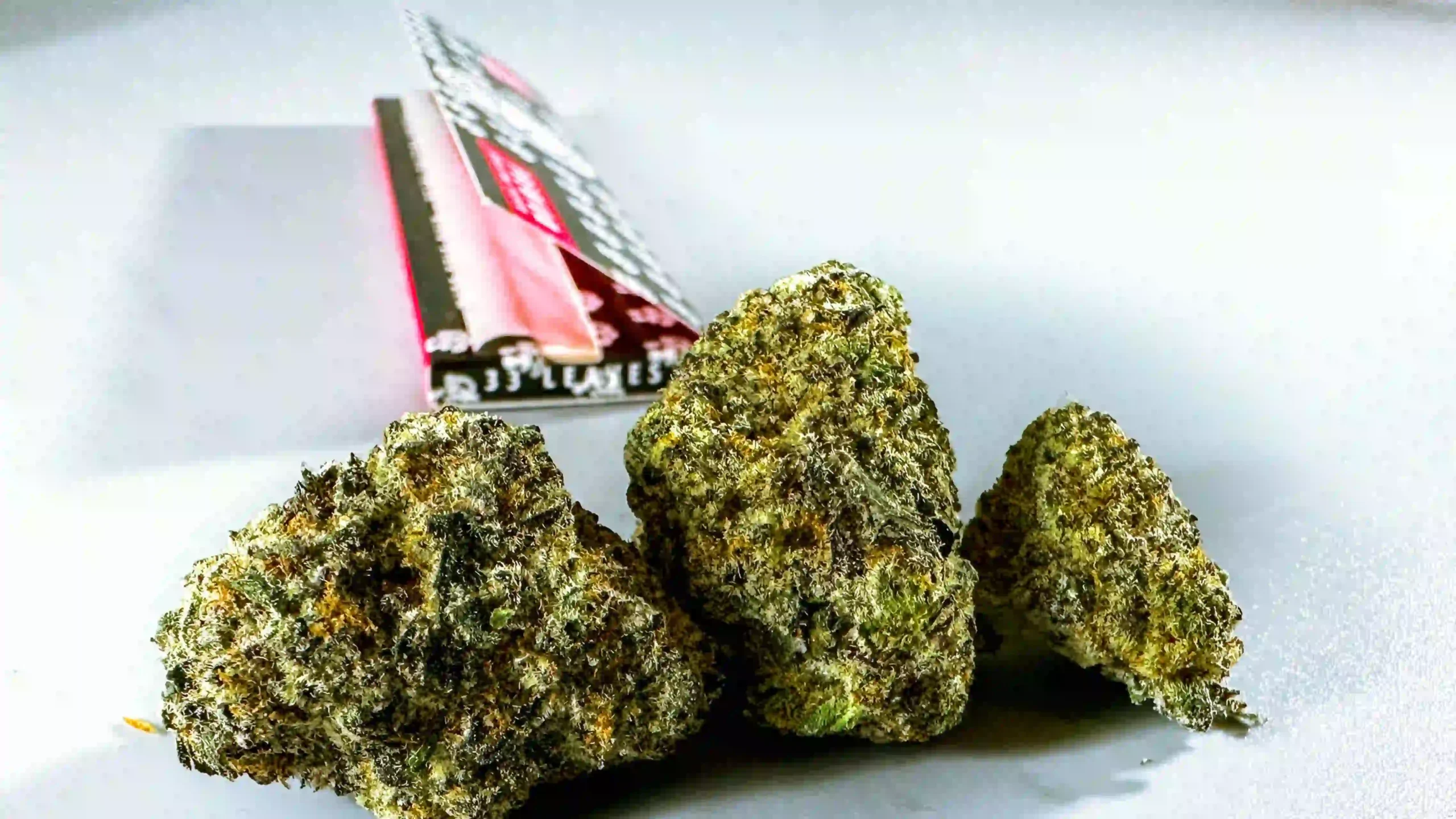
Six-Step Quality Control Action Plan for Commercial Packaging Compliance
- Audit every SKU: Compare dielines, labels, and outer packaging against applicable DCC requirements.
- Verify closure documentation: Match applicable child-resistance certificates to the actual container and closure.
- Standardize label panels: Check symbols, net contents, warnings, font sizes, and contrast.
- Approve production proofs: Require documented compliance sign-off before bulk printing.
- Inspect shipments: Train warehouse staff to check finished packages against release and distributor intake checklists.
- Schedule an independent audit: Have CannDelta review master packaging files, SOPs, and applicable regulatory submission records.
Verifying Universal Symbol Dimensions and Contrast Rules
Auditing Batch Coding, UID Placement, and Net Weight Declarations
Managing Child-Resistant Closure Certifications Across Supply Chains
For certified packaging, verify compliance with Poison Prevention Packaging Act testing standards, including 16 CFR 1700.15(b)(1). Keep supplier documentation matched to the actual pouch, jar, or closure configuration.
Edibles generally require lifetime child-resistant packaging that is also tamper-evident. Inhaled products may use initial child resistance with the required after-opening statement. Multi-serving packages must also be resealable. Reassess documentation whenever suppliers change components.
How Local Municipal Restrictions Complicate State Packaging Standards
Check applicable local ordinances and permit conditions alongside statewide requirements. Maintain location-specific SOP supplements and distinguish legal obligations from distributor preferences.
CannDelta helps multi-location brands reconcile overlapping requirements through packaging audits, SOPs, and applicable submission reviews.